Understanding the Mini Split AC System
As the demand for efficient and versatile heating and cooling solutions surges, the mini split ac system stands out as an innovative option. Unlike traditional HVAC systems, mini splits offer superior flexibility, allowing homeowners and businesses to customize climate control in specific zones rather than conditioning entire spaces. This article delves into the essentials of mini split AC systems, exploring their components, functionality, benefits, and future trends, providing valuable insights for those considering this technology in 2026.
What is a Mini Split AC System?
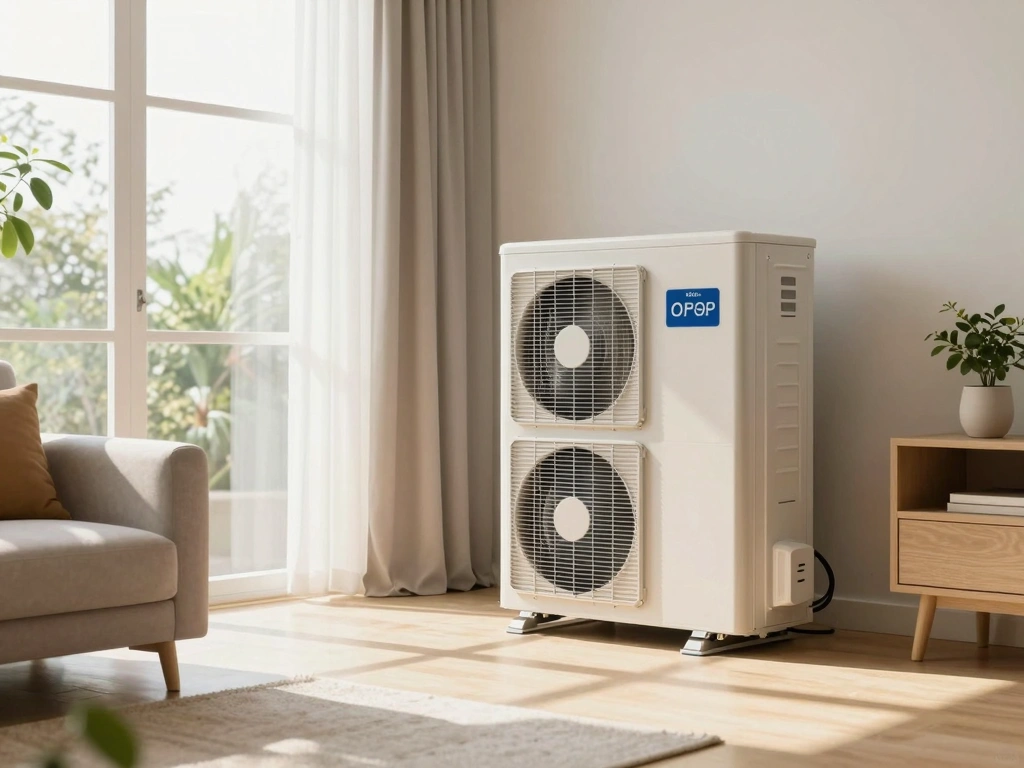
A mini split AC system, also known as a ductless mini-split, is a type of heating and cooling system that operates without the need for ductwork. It consists of an outdoor compressor unit and one or more indoor air-handling units, which can be strategically placed throughout a building. This configuration allows for independent temperature control in different rooms or areas, addressing individual preferences and enhancing energy efficiency.
How Mini Split Systems Work
Mini split systems work by transferring heat between the indoor and outdoor units. The outdoor unit absorbs heat from the outside air and transfers it inside during winter, while in summer, it reverses the process to remove heat from the indoor air. This dual functionality is what makes mini splits highly efficient, providing both heating and cooling capabilities without the energy loss associated with duct systems.
Essential Components of a Mini Split AC
- Outdoor Unit: The compressor/condenser, which pumps refrigerant and facilitates heat exchange.
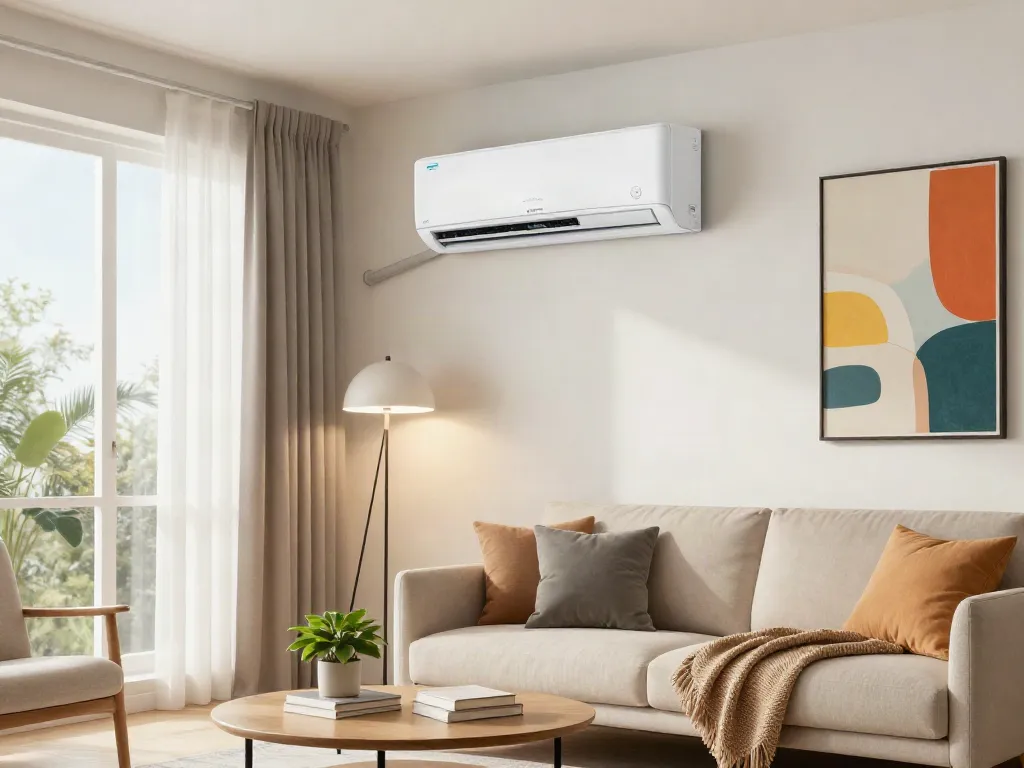
- Indoor Unit: The air handler distributes conditioned air into the living space, often equipped with adjustable vents.
- Refrigerant Lines: Copper lines transporting refrigerant between the indoor and outdoor units.
- Drain Line: Eliminates condensation produced by the cooling process.
Benefits of Mini Split AC Systems
Energy Efficiency and Cost Savings
One of the most compelling advantages of mini split AC systems is their energy efficiency. Traditional HVAC systems can lose up to 30% of their energy through ductwork; mini splits eliminate this loss entirely. By allowing users to cool or heat only the rooms in use, these systems not only enhance comfort but also significantly reduce energy bills. In fact, many models are rated with SEER (Seasonal Energy Efficiency Ratio) scores exceeding 20, representing a substantial improvement over conventional units.
Flexible Installation Options
Mini splits offer unprecedented flexibility in installation. Indoor units can be mounted on walls, ceilings, or floors, accommodating unique architectural features and personal preferences. Additionally, the minimal space requirement for ducts makes them an ideal choice for retrofitting older buildings where duct installation is impractical or impossible.
Improved Air Quality Control
These systems also contribute to better indoor air quality. Without ducts, there’s less potential for dust, allergens, and pollutants to circulate. Many mini split units come with advanced filtration systems that capture airborne particles, helping to reduce allergens and improve overall air quality in homes and commercial spaces.
Common Misconceptions about Mini Split Systems
Maintenance Requirements
Some homeowners mistakenly believe that mini split systems require extensive maintenance. While regular upkeep is essential—such as cleaning filters and checking for refrigerant leaks—the overall maintenance is usually less demanding than that of traditional HVAC systems. An annual professional inspection is typically sufficient to ensure optimal performance.
Noise Levels Compared to Traditional Systems
Another misconception is that mini split systems are noisy. In truth, many modern models operate at sound levels as low as 19 dB, which is quieter than a whisper. Noise levels largely depend on the installation and specific model, but they often prove quieter than window units or traditional HVAC systems.
Suitability for Various Spaces
Many people assume that mini splits are only suitable for smaller spaces. However, they can effectively heat or cool larger areas when multiple indoor units are used with an appropriately sized outdoor unit. Whether it’s a cozy studio apartment or a spacious multi-level home, mini splits can meet diverse heating and cooling needs.
Choosing the Right Mini Split AC System
Factors to Consider When Buying
When selecting a mini split AC system, consider factors such as the size of the area to be cooled or heated, BTU ratings (British Thermal Units), and the specific features you may require. Energy efficiency ratings, noise levels, and smart technology compatibility are also crucial considerations that can impact long-term satisfaction and utility costs.
Popular Brands and Models in 2026
As of 2026, several brands stand out in the mini split market, including Mitsubishi, Daikin, and LG. These companies offer a range of models equipped with advanced features such as Wi-Fi connectivity, programmable settings, and enhanced filtration systems. It's essential to evaluate reviews and performance ratings to find the best fit for your needs.
Installation Considerations and Costs
The installation costs for mini split systems vary based on factors such as the number of indoor units and the complexity of the installation. On average, homeowners should budget for $2,000 - $6,000 for a complete system installation, depending on these variables. Hiring a professional installer is highly recommended to ensure efficiency and compliance with local building codes.
Future Trends in Mini Split AC Technology
Emerging Features and Innovations
The mini split AC industry is full of innovation, with new technologies emerging to enhance user experience. Features such as integrated air purifiers, intelligent thermostats, and multi-zone control systems are becoming standard. Additionally, advancements in refrigerant technology are focusing on reducing environmental impact while maintaining high efficiency.
Sustainability and Eco-Friendly Options
As global awareness of climate change increases, manufacturers are investing in eco-friendly technologies. Many new mini splits utilize R-32 refrigerants, which have a lower global warming potential compared to traditional refrigerants. This shift not only helps the environment but also meets growing consumer demand for sustainable solutions.
Consumer Preferences and Market Growth by 2026
The market for mini split AC systems is expected to grow significantly by 2026, driven by consumer preferences for energy-efficient, customizable solutions. The rising trend of remote work and the need for home office comfort have also fueled demand. As technology continues to evolve, mini splits will likely become even more integrated into smart home ecosystems.
What are the downsides of a mini split AC system?
Despite their many advantages, mini split systems do have some drawbacks. Initial installation costs can be higher than traditional HVAC systems, and the aesthetic of indoor units may not appeal to everyone. Additionally, those with larger homes may face challenges when attempting to achieve uniform temperature control throughout extensive spaces.
What is the typical cost of installing a mini split system?
The average cost for installing a mini split system typically ranges from $2,000 to $6,000, depending on the number of zones being conditioned, the complexity of the installation, and local labor rates. It's vital to obtain multiple quotes from licensed professionals to ensure competitive pricing and quality installation.
Why is my electric bill so high with a mini split?
A common cause of high electric bills with mini split systems is improper sizing or inefficient usage. If the system is too small for the space it is cooling, it will run continuously, thereby increasing energy consumption. Regular maintenance, including cleaning filters and ensuring refrigerant levels are adequate, can help mitigate high energy costs.