Understanding Diesel Particulate Filters
Diesel Particulate Filters (DPFs) are essential components in modern diesel engines, designed to reduce harmful emissions. They trap soot and other particulates produced during combustion, preventing them from entering the atmosphere. As environmental regulations become increasingly stringent, the role of DPFs in keeping our air clean has never been more important. Understanding how DPFs function and how to maintain them is vital for vehicle owners and enthusiasts alike. When exploring options, dpf reinigen provides comprehensive insights that can help ensure your vehicle performs optimally.
What is a Diesel Particulate Filter?
A Diesel Particulate Filter is a device installed in the exhaust system of diesel engines. Its primary function is to capture and store exhaust soot, thereby reducing particulate emissions. The filter consists of a porous ceramic material that allows exhaust gases to pass through while trapping soot particles. Over time, these particulates accumulate and need to be removed either through a process called regeneration or by cleaning (reinigung) the filter.
Importance of DPF in Modern Vehicles
DPFs are vital for meeting emission standards set by governments around the world. They play a crucial role in improving air quality by significantly reducing the amount of soot and nitrogen oxides emitted from diesel engines. As diesel engines have become more prevalent in commercial vehicles, buses, and even passenger cars, maintaining the effectiveness of DPFs is essential for both environmental and health reasons.
Common Issues with Diesel Particulate Filters
Despite their importance, DPFs can face several issues that affect their performance. Common problems include:
- Clogging: When soot accumulates and isn't properly burned off during regeneration, it can lead to a blockage.
- Malfunctioning Sensors: DPFs include sensors that monitor pressure differences to detect when cleaning is needed; failures can lead to poor performance.
- Excessive Ash Build-Up: Over time, non-combustible materials create ash that cannot be eliminated through normal regeneration processes.
The DPF Cleaning Process Explained
Cleaning the DPF is crucial to restore its functionality and prolong the life of your diesel vehicle. Understanding the cleaning process can help vehicle owners make informed decisions.
How DPF Reinigung Works
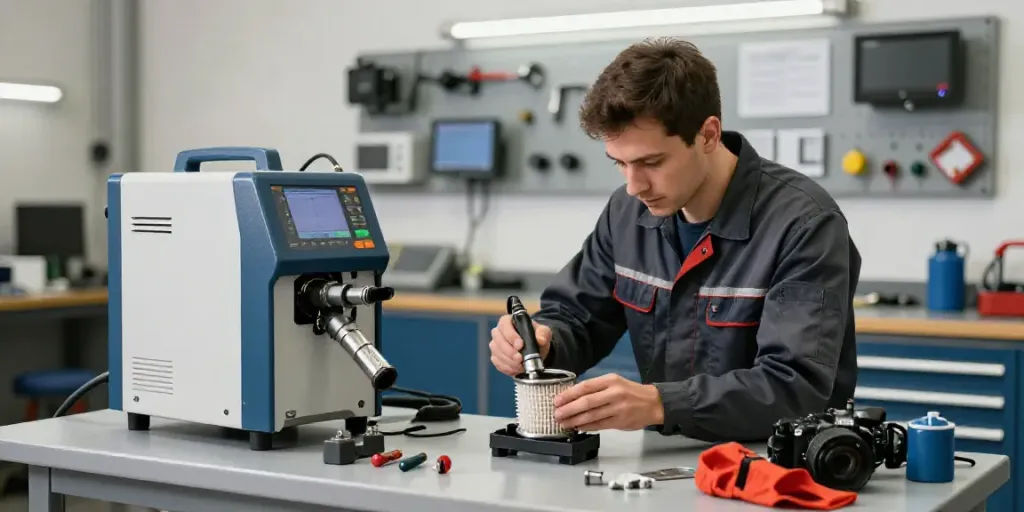
DPF cleaning can be performed either through professional services or DIY methods. Professional cleaning typically involves advanced technologies and techniques, ensuring that the filter is thoroughly cleaned without damage. These services may include:
- Chemical Cleaning: Special chemicals dissolve the soot and ash, allowing them to be flushed out.
- Thermal Regeneration: This method uses high temperatures to burn away soot in the filter.
- Ultrasonic Cleaning: High-frequency sound waves are used to dislodge particulates from the filter material.
Step-by-Step Guide to Cleaning DPF
- Assess the DPF condition by checking for warning lights or performance issues.
- Choose a cleaning method—professional or DIY.
- If DIY, ensure you have the necessary tools and safety equipment.
- Follow the instructions specific to the cleaning method you select.
- Reinstall the DPF and perform tests to ensure proper functioning.
Choosing Between Professional vs. DIY Cleaning
While DIY cleaning can save money, it’s important to weigh the risks. Professional cleaning services offer expertise and equipment that ensure thorough cleaning, potentially leading to better long-term results. On the other hand, if you choose to clean the DPF yourself, ensure you use the appropriate methods to avoid damage.
Signs Your DPF Needs Attention
Catching DPF issues early can save you time and money. Here are some signs to look for:
Warning Lights and Engine Performance Issues
If your vehicle's dashboard displays a DPF warning light, it indicates that the filter is clogged and needs immediate attention. You may also notice a drop in engine performance, such as decreased acceleration or increased fuel consumption.
Unusual Noises and Emissions Concerns
Sounds such as hissing or rattling during engine operation can suggest a malfunctioning DPF. Additionally, if you observe increased smoke or emissions coming from the exhaust, it indicates that the filter might not be functioning correctly.
Routine Maintenance Tips to Extend DPF Life
To avoid costly cleaning and replacement, regular maintenance is key. Here are some helpful tips:
- Regularly inspect the DPF for leaks or damage.
- Use high-quality diesel fuel to minimize soot production.
- Ensure your engine is properly tuned and functioning optimally to reduce excess soot.
- Consider periodic professional cleaning, especially for vehicles with high mileage or that primarily make short trips.
Benefits of Regular DPF Cleaning
Investing in regular DPF cleaning brings numerous benefits that extend beyond just compliance with emission standards.
Improved Engine Efficiency and Performance
A clean DPF allows exhaust gases to flow freely, improving engine efficiency and overall performance. This results in better fuel economy and a smoother driving experience.
Cost Savings and Environmental Impact
Regular DPF maintenance can lead to significant cost savings in the long run by preventing expensive repairs or replacements. Furthermore, maintaining your DPF supports environmental efforts by reducing harmful emissions, thereby contributing to cleaner air.
Enhanced Vehicle Longevity and Reliability
Routine DPF cleaning prolongs the life of your vehicle’s engine and exhaust system. A well-maintained DPF reduces strain on components, helping to ensure reliability and longevity.
Future Trends in DPF Technology
The field of diesel particulate filtration is evolving rapidly, driven by advances in technology and regulatory pressures.
Innovations in DPF Cleaning Techniques
Innovative cleaning technologies are emerging, including automated systems that can perform cleaning without removing the DPF from the vehicle, offering convenience and efficiency.
Emerging Technologies for Cleaner Diesel Engines
New engine designs and alternative fuels are being developed to reduce particulate formation, leading to less reliance on DPFs in the first place. These innovations are paving the way for greener diesel solutions.
Predictions for the Automotive Industry in 2026
As we look ahead to 2026, the automotive industry will likely continue shifting toward electric and hybrid vehicles. However, diesel engines will remain in use for commercial vehicles, necessitating ongoing advancements in DPF technology and maintenance practices.
How to Manually Start DPF Regeneration?
In some models, you can manually initiate DPF regeneration by following specific diagnostic steps outlined in your vehicle's manual. This often involves using a diagnostic tool to force the regeneration process.
Can I Clean My DPF Filter Myself?
While DIY cleaning is possible, it requires careful consideration of the methods and materials used to avoid damaging the filter. If you're not confident, opting for professional cleaning is advisable.
How Much Does it Cost to Get a DPF Cleaned?
The cost of professional DPF cleaning varies widely based on the specific service provider and the type of vehicle, typically ranging from $100 to $300 or more.
Is DPF Cleaning Necessary?
Yes, DPF cleaning is necessary for maintaining optimal engine performance and compliance with emission standards. Regular maintenance helps prevent costly repairs and keeps your vehicle running smoothly.