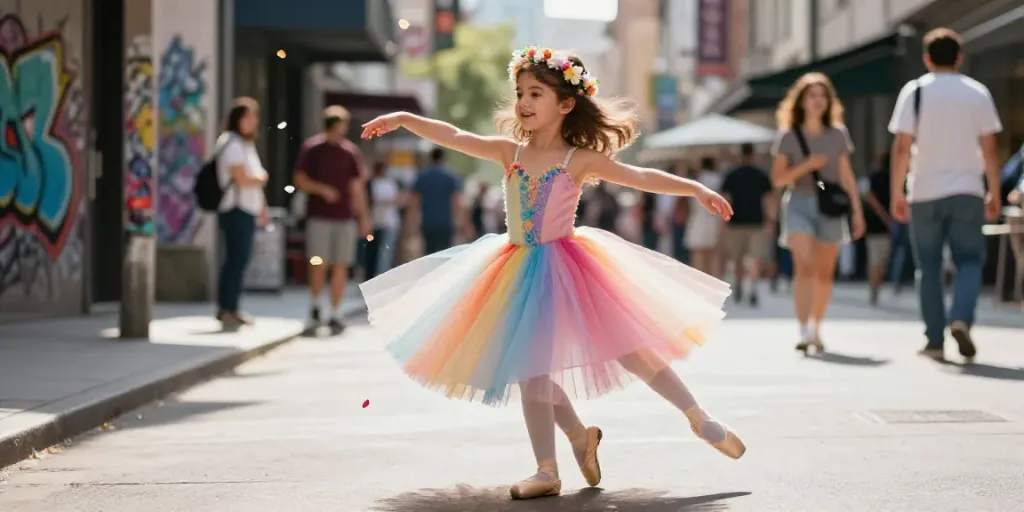
Understanding the Tutu: A Dancer's Essential Costume
The tutu, a quintessential element of ballet attire, serves both as a performance costume and as a symbol of the artistry encapsulated in dance. Its unique construction and styling distinguish the tutu from other garments, helping dancers express emotion and intention in their performances. The intricacies of a tutu can greatly affect a dancer's performance, comfort, and aesthetic appeal. When exploring options, tutu-store.com provides comprehensive insights into the various types of tutus and their purposes, guiding both newcomers and seasoned dancers in their choices.
What Makes a Great Tutu?
A great tutu harmonizes aesthetics with functionality. Primarily, the cut and structure of the tutu shape the dancer's movement on stage. Key elements include:
- Fit: A well-fitted tutu allows freedom of movement and enhances the dancer's lines.
- Width and Length: Different performances require varied lengths and widths, from the classic romantic tutu to the more contemporary variations.
- Material Quality: The fabric must not only look beautiful but endure the rigors of performance.
Ultimately, a quality tutu enhances the dancer's appearance while making it easier to perform techniques, turns, and leaps with grace.
The Evolution of Ballet Costumes Over Time
Ballet costumes have undergone significant transformations since their inception in the 15th century. Initially, dense and elaborate garments constrained movement; however, as ballet evolved as an art form, so did the costume. The introduction of the tutu in the early 19th century represented a pivotal shift toward lighter, more dynamic attire. Today, designers incorporate modern materials and innovative designs to adapt to contemporary dance styles while maintaining traditional elegance. The progression of tutu designs reflects broader trends in fashion and culture, showcasing how ballet continues to innovate while respecting its roots.
Key Materials Used in Tutu Construction
The construction of a tutu relies heavily on the choice of materials. Each element—from the bodice to the skirt—utilizes different fabrics tailored for specific performances. Common materials include:
- Tulle: The traditional fabric for tutus, prized for its lightweight and airy qualities.
- Organza: Offering a bit more structure than tulle, organza is often used for more formal ballet performances.
- Silk: Luxurious and smooth, silk provides an elegant finish ideal for ballet's most distinguished settings.
Moreover, innovative materials like spandex and mesh have been increasingly incorporated for their flexibility and comfort, allowing for greater freedom of movement.
Choosing the Right Tutu for Every Occasion
Choosing the appropriate tutu for different occasions is crucial for ensuring both comfort and performance quality. Understanding the nuances between different styles and fits can empower dancers at any level.
Casual vs. Performance Tutus: Knowing the Difference
There are distinct differences between casual and performance tutus. Casual tutus are generally designed for practice, allowing for flexibility without the formal constraints of performance attire. In contrast, performance tutus are constructed with precision, featuring elaborate designs and a focus on visual impact. Selecting the right type based on the occasion can enhance the overall experience of the dancer.
How to Select the Best Size and Fit
When choosing a tutu, ensuring the correct size is paramount. Dancers should take precise measurements of their waist, hip, and torso length to find a tutu that complements their body shape. A well-fitted tutu should feel secure around the waist without being overly tight, allowing movement without restriction. Always refer to sizing charts provided by retailers, and consider opting for adjustable styles for growing dancers.
Color Psychology: Choosing a Tutu that Reflects Character
The color of a tutu can significantly influence a dancer's portrayal of a character. Colors evoke emotions and set the stage for storytelling. For instance, soft pastels often represent innocence, while vibrant reds can portray passion and strength. Understanding color psychology can help dancers select tutus that resonate with their roles, enhancing the audience's emotional response and engagement with the performance.
Caring for Your Tutu: Best Practices
Proper care of a tutu is essential to maintain its shape and appearance. The various materials require specific handling to ensure longevity.
Washing and Storage Tips for Longevity
Washing a tutu requires gentle handling. Most tutus are best cleaned by hand using cold water and gentle soap. Never wring or twist; instead, lay the tutu flat to dry. For storage, ensure tutus are hung on padded hangers to maintain their shape, and keep them in a dust-free environment to avoid discoloration.
How to Repair Minor Damages at Home
In the event of minor damages, such as loose seams or small tears, basic sewing skills can go a long way. Keeping a sewing kit handy with needles, thread, and fabric glue is advisable. For rips in tulle, use fabric glue to carefully patch the area without additional bulk. When in doubt, consulting a professional may be best for serious repairs.
When to Seek Professional Cleaning and Care
For extensive cleaning or repairs, it is wise to seek professional help, especially for high-end tutus. Professional cleaners who specialize in dancewear understand how to preserve the fabric and maintain the tutu's structure. Regular inspections can help identify wear and tear before it requires significant repairs.
Accessorizing Your Tutu for Maximum Impact
Accessories play a vital role in completing the overall look of a tutu ensemble. The right additions can elevate a performance, making it more engaging and visually pleasing.
Complementary Accessories: What to Keep in Mind
When accessorizing a tutu, opt for pieces that enhance but do not overpower the look. Consider elements like tiaras, hairpins, and bracelets that harmonize with the color and style of the tutu. Ensure that accessories allow for freedom of movement and do not create distractions during performance.
Footwear Choices: Ballet Slippers vs. Character Shoes
The choice between ballet slippers and character shoes can impact both comfort and performance. Ballet slippers are designed for traditional ballet, providing a light and flexible option. Conversely, character shoes offer support and stability for dances that require more extensive movement. Selecting footwear that complements the type of performance will optimize both comfort and style.
How to Create a Cohesive Look with Hair and Makeup
Hair and makeup should work in tandem with the tutu to create a cohesive performance look. Opt for hairstyles that keep hair away from the face but also complement the overall aesthetic. Soft, natural makeup can enhance features without being overly dramatic, while bolder choices can reflect a character's personality. Coordination between hair, makeup, and the tutu can significantly impact the overall impression of the performance.
Current Trends and Future Predictions in Ballet Fashion
The ballet fashion landscape is ever-evolving, with designers continually pushing boundaries. Keeping an eye on trends can help dancers stay ahead and choose costumes that reflect current styles.
Notable Designers Bringing Innovation to the Tutu
Several contemporary designers are at the forefront of redefining the tutu. They blend traditional aesthetics with modern flair, incorporating innovative materials and designs that enhance movement while maintaining visual appeal. Brands that focus on sustainability and ethical production are also gaining traction, appealing to eco-conscious consumers.
Sustainable Practices in Tutu Production
As environmental awareness grows, the ballet industry is beginning to reflect sustainable practices in tutu production. Many manufacturers are now sourced ethically, using biodegradable materials and minimizing waste in the crafting process. Consumers are encouraged to seek brands that prioritize sustainability, thereby contributing to a more eco-friendly future in fashion.
2026 Trends in Ballet Costumes: What to Expect
Looking ahead to 2026, expect to see tutus that embrace vibrant colors and unconventional materials. Designers are likely to experiment with textures, blending layers that enhance volume without sacrificing comfort. Performance-oriented innovations such as moisture-wicking fabrics and built-in flexibility features will likely become more prevalent, ensuring that dancers can move freely while still looking stunning on stage.
Why Are Tutus Essential for Young Dancers?
For young dancers, tutus play an integral role in their training and performance. They not only foster a sense of discipline and commitment but also enhance self-expression through movement and artistry. Wearing a tutu can instill confidence and a sense of belonging within the dance community.
What Should Parents Look for When Buying a Tutu?
Parents should prioritize comfort, fit, and material quality when selecting a tutu for their children. Budget is also a consideration; however, investing in a high-quality garment can provide a better experience in both practice and performance. It's advisable to involve the child in the selection process to ensure they feel excited and comfortable in their attire.
Are Custom Tutus Worth the Investment?
Custom tutus can be well worth the investment for serious dancers. Tailored fittings ensure a perfect fit that enhances performance and comfort. Additionally, custom designs can reflect personal style and character, making them unique to each dancer. However, it is crucial to weigh the options carefully and explore whether customization truly aligns with the dancer's needs and goals.
How Can Dancers Personalize Their Tutus?
Dancers can personalize their tutus in several ways, from selecting unique fabrics and colors to adding embellishments like sequins or rhinestones. Alterations can also bring a personal touch, especially when transforming a basic tutu into something distinctive. Encouraging creativity in how they express their style can enhance a dancer's overall enjoyment of performance.
What Are the Key Care Tips for Ballet Tutus?
Maintaining a tutu is essential for prolonging its life. Key care tips include gentle cleaning, proper storage, and routine inspections for wear and tear. Emphasizing the importance of careful handling can help dancers and their parents understand that costumes should be treated with respect. Implementing these practices ensures that each tutu remains a cherished part of the dancer's journey.