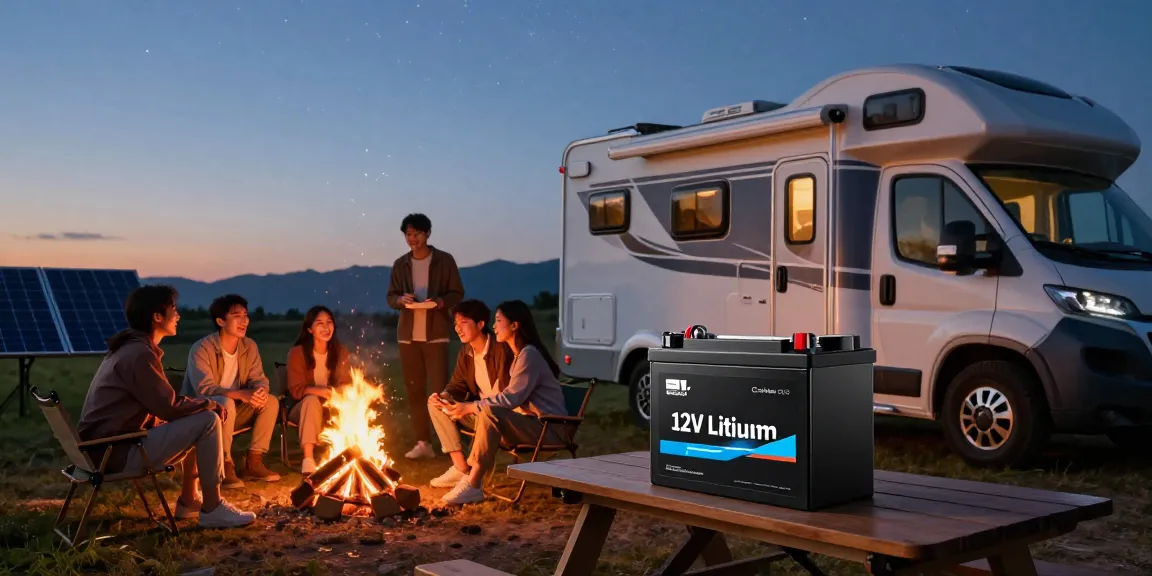
Understanding Lithium Battery Technology for RVs
If you are considering upgrading your RV’s power system, understanding lithium battery technology is a crucial first step. Lithium batteries, particularly those using lithium iron phosphate (LiFePO4) chemistry, offer numerous advantages over traditional lead-acid batteries. As the RV community increasingly embraces off-grid travel, having a reliable and efficient power source has become essential. This article will explore what lithium batteries for RVs are, how they differ from AGM batteries, and the science behind their technology. When exploring options, lithium battery for rv provides comprehensive insights into the best batteries available today.
What is a Lithium Battery for RV?
A lithium battery for RVs refers to a type of rechargeable battery that utilizes lithium as its main component. Specifically, lithium iron phosphate batteries have become the preferred choice for many RV owners due to their safety, longevity, and performance advantages. Unlike lead-acid batteries, which can be heavy and prone to sulfation, lithium batteries are lighter, have a higher energy density, and can be discharged deeper without damage. This makes them ideal for the power demands of modern RVs, especially those relying heavily on electrical appliances.
Key Differences Between Lithium and AGM Batteries
When comparing lithium batteries to absorbed glass mat (AGM) batteries, several key differences emerge:
- Weight: Lithium batteries are significantly lighter than AGM batteries, making installation and handling much easier.
- Energy Density: Lithium batteries store more energy in a smaller footprint, which is beneficial for space-critical installations in RVs.
- Cycle Life: Lithium batteries typically have a longer cycle life—up to 10 times longer than AGM batteries—allowing for more charge and discharge cycles before needing replacement.
- Depth of Discharge: Lithium batteries can be discharged to a lower level without damage, often up to 80-90%, compared to AGM batteries, which are usually limited to a 50% discharge to avoid damage.
- Charging Efficiency: Lithium batteries charge faster and maintain consistent voltage even under heavy loads, making them more efficient for high-demand applications.
The Science Behind LiFePO4 Batteries
LiFePO4, or lithium iron phosphate, is a specific type of lithium battery that has garnered attention for its safety and reliability. The chemistry involved allows these batteries to operate at a stable voltage, translating to consistent performance across various demand levels. This stability is particularly important for RV owners who rely on their batteries to power devices such as refrigerators, air conditioners, and other electronics while on the move or parked in remote locations. Additionally, LiFePO4 batteries have built-in battery management systems that provide overload protection and enhance their longevity.
Why Upgrade to Lithium Batteries for Your RV?
Upgrading to lithium batteries can significantly enhance your RV's energy performance, especially if you frequently travel off-grid. The enhanced technology not only supports extended travel without needing to hook up to external power but also provides cost savings over time, creating a compelling reason for the switch.
Benefits of Lithium Batteries for Off-Grid Travel
The primary advantage of lithium batteries is their ability to provide a reliable power source for extended periods. Key benefits include:
- Longer Usage: Lithium batteries allow RVers to boondock longer without needing to run generators, which saves fuel and reduces noise pollution.
- Temperature Tolerance: Many lithium batteries, especially models from Epoch, can operate efficiently in various temperatures, with self-heating capabilities for cold environments.
- Less Maintenance: Unlike lead-acid batteries, lithium batteries require minimal maintenance, making them more convenient for busy travelers.
Cost vs. Value: Long-Term Savings
While lithium batteries may have a higher upfront cost compared to AGM options, their longer lifespan and efficiency can lead to substantial long-term savings. Consider the following:
- Reduced Replacement Costs: With lifespans extending up to 15 years, lithium batteries can outlast multiple sets of AGM batteries.
- Increased Energy Efficiency: The ability to use more of the stored energy means less need for recharging, leading to less time spent at campgrounds or charging stations.
- Lower Energy Bills: Enhanced efficiency can lower fuel costs when running generators, further amplifying savings.
Environmental Impact of Lithium Technology
In an era focused on sustainability, lithium batteries present a more environmentally friendly option than traditional lead-acid batteries. They have a significantly lower carbon footprint and are recyclable, reducing the overall impact on the environment. Furthermore, as renewable energy sources like solar and wind continue to gain traction, efficient energy storage—such as that provided by lithium batteries—will be crucial for maximizing the benefits of these systems.
Choosing the Right Lithium Battery for Your RV
Selecting the appropriate lithium battery for your RV involves several considerations to ensure you meet your energy demands efficiently. Understanding your power needs and how to size your battery bank are vital steps in this process.
Determining Your Power Needs
Before purchasing a lithium battery, evaluate your daily energy consumption by considering the devices you commonly use. Creating a list of appliances and their wattage can help you estimate your total energy needs. For example, if your RV includes:
- Refrigerator: 100W
- LED Lights: 50W
- Fan: 30W
- Television: 70W
Summing these, you would require a battery capable of supporting at least 250W of continuous output.
Sizing Your Lithium Battery Bank
Once you know your energy needs, the next step is to determine how much lithium battery capacity you require. A good rule of thumb is to allow for two days of power usage without recharging. This allows for power draw — while considering inefficiencies in the conversion and discharge cycle — leading to a more reliable energy supply.
For example, if your devices consume 500Wh daily, you would need a battery bank size of:
Given the depth of discharge limitations for lithium batteries, you would then choose a size that accommodates this safely.
Factors to Consider: Voltage, Capacity, and Weight
When selecting a lithium battery, consider the following key factors:
- Voltage: Common choices include 12V, 24V, and 48V. Choose the one compatible with your RV’s electrical system.
- Capacity: Measured in amp-hours (Ah), this indicates how much energy the battery can store and deliver over time.
- Weight: Lithium batteries are lightweight, which is an advantage for reducing overall vehicle weight and improving fuel efficiency.
Installation and Maintenance of Lithium Batteries in RVs
Once you’ve selected the right lithium battery for your RV, proper installation and maintenance ensure optimal performance for years to come. Follow best practices and avoid common pitfalls when setting up your battery system.
Step-by-Step Lithium Battery Installation Guide
Installing a lithium battery in your RV typically involves the following steps:
- Safety First: Disconnect your RV from any power sources, ensuring no electrical load is present.
- Choose a Location: Find a secure, ventilated area to mount your battery, avoiding locations exposed to extreme temperatures.
- Connect the Battery: Follow the manufacturer’s guidelines to connect the battery to the system, ensuring correct polarity and secure connections.
- Install a Battery Management System (BMS): If not integrated, install a compatible BMS for protection against overcharging and discharging.
- Test the Setup: Reconnect power and check functionality before heading out on your travels.
Best Practices for Maintaining Lithium Batteries
To prolong the life of your lithium battery, adhere to these maintenance tips:
- Regular Monitoring: Utilize battery monitoring systems to keep an eye on charge levels, temperature, and overall health.
- Optimal Charging: Always charge the battery according to the manufacturer’s recommendations to avoid damage.
- Temperature Management: Store batteries in moderate temperatures; extreme heat or cold can negatively impact performance.
Common Mistakes to Avoid
When upgrading to lithium batteries, be aware of these typical mistakes:
- Over-Discharging: Avoid discharging the battery below recommended levels, as this can lead to failure and loss of capacity.
- Ignoring Compatibility: Ensure all components in your RV’s electrical system are compatible with lithium technology.
- Neglecting to Read Instructions: Always follow the manufacturer’s installation and maintenance guidelines for optimal performance.
Future Trends in Lithium Battery Technology for RVs
The RV battery market is evolving rapidly, and understanding the trends can help RVers stay ahead of the curve. Innovations will continue to shape the future of lithium technology, enhancing travel experiences.
Emerging Technologies and Innovations for 2026
Several emerging technologies are expected to influence lithium battery systems for RVs in the coming years:
- Improved Chemistries: Research in battery chemistry is ongoing, with potential advancements in energy density and safety.
- Smart Features: Integration with smart home technology will allow for better monitoring and management of energy consumption.
- Recycling Programs: Increased focus on battery recycling will lead to environmentally friendly options for the disposal of old batteries.
Market Predictions for Lithium Batteries in the RV Sector
As RV travel continues to grow in popularity, the demand for lithium batteries is expected to expand significantly. Industry analysts predict that lithium battery sales for RV applications will double in the next five years, driven by the need for more efficient energy solutions and the increasing adoption of renewable energy sources.
Understanding the Importance of Adaptation in Travel
With the rapid advancements in battery technology, RV owners must remain adaptable and willing to embrace new solutions to enhance their travel experiences. The move towards lithium batteries is not merely about replacing an old battery; it’s about investing in the future of mobile living.
Are Lithium Batteries Worth It for an RV?
The short answer is yes. Despite the initial investment, the long-term benefits overwhelmingly justify the switch. With the advantages of longer lifespan, better efficiency, and reduced weight, lithium batteries can transform your RV experience, enabling more extended adventures away from traditional power sources.
Can I Just Replace My RV Battery with a Lithium Battery?
While it is possible to replace your RV battery with a lithium battery, it’s important to consider compatibility with your RV’s existing electrical system. You may need to make adjustments to your charging systems to accommodate the different charging profiles required for lithium technology.
What Size Lithium Battery Do I Need for a Camper?
The size of the lithium battery you need depends on your specific energy consumption patterns. Analyzing your daily power usage and considering the appliances you operate will guide you in selecting the right size. Aim for a battery bank that can support two days of usage without needing to recharge for optimal reliability.
Do I Need to Change My RV Converter for Lithium Batteries?
In many cases, you will need to upgrade your RV's converter to a lithium-compatible model to ensure proper charging. Lithium batteries have different charging profiles than AGM or lead-acid batteries, making a compatible converter vital for efficient operation and battery life longevity.